Eco‑Friendly Sailing: Responsible Komodo And Flores Travel
Updated: July 2026
Eco‑Friendly Sailing: Responsible Komodo And Flores Travel
Eco-Friendly Sailing: Responsible Komodo And Flores Travel
Eco-friendly sailing in the stunning waters of Komodo and Flores emphasizes responsible tourism that protects the natural environment while providing unforgettable experiences. By choosing sustainable practices, travelers can appreciate the rich biodiversity of this unique region without causing harm.
Choosing a Sustainable Komodo Tour Operator
When planning a trip to Komodo, it’s essential to select a sustainable tour operator. A reputable company should prioritize eco-friendly practices, whether through waste management, conservation efforts, or community involvement. You can find sustainable tour operators that offer sailing packages from Labuan Bajo, the gateway to Komodo National Park.
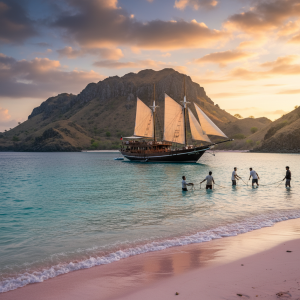
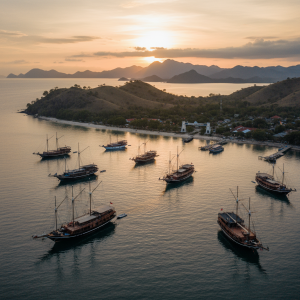
- Phinisi Boats: Traditional wooden phinisi boats are commonly used for liveaboard trips. Look for operators that maintain their vessels and minimize their carbon footprint.
- Waste Management: A responsible operator will have protocols for handling waste, including recycling, composting, and proper disposal of garbage.
- Local Community Support: Choose operators that support local communities by hiring local guides and purchasing supplies from local businesses.
Prices for a 3-day liveaboard trip can start around $500 (7,500,000 IDR) per person in 2026, covering meals, accommodation, and activities, which is a small price to pay for sustainable tourism and memorable experiences.
How to Visit Komodo Responsibly
Understanding how to visit Komodo responsibly means recognizing the delicate balance of its ecosystems. Here are some key practices to ensure a sustainable visit:
- Respect Wildlife: Observing wildlife from a distance helps minimize stress on animals. Maintain an ethical distance of at least 10 meters from Komodo dragons to avoid disturbing their natural behavior.
- Follow Park Regulations: Familiarize yourself with the rules established by Komodo National Park to protect its pristine environment.
- Leave No Trace: Whether hiking or enjoying a beach day, always clean up after yourself to prevent litter from harming wildlife.
Travelers can maximize their impact by choosing eco-friendly excursions that emphasize learning and conservation, like guided treks that educate visitors about the island’s unique ecosystems.
Snorkeling Safely and Responsibly
Snorkeling in Flores and Komodo is an unforgettable experience, but it’s essential to do it responsibly. One critical aspect is the use of reef-safe sunscreen. Conventional sunscreens can contain harmful chemicals that damage coral reefs. Look for sunscreen labeled “reef-safe,” which avoids ingredients such as oxybenzone and octinoxate. Prices for reef-safe sunscreens generally range from $10 to $30 (150,000 – 450,000 IDR) in local shops.
When snorkeling, be mindful of your surroundings:
- Do not touch or stand on coral.
- Avoid feeding fish to prevent disrupting the natural order of the ecosystem.
- Stay within designated swimming areas to minimize impact on marine life.
The Impact of Boats on Komodo Reefs
With the increase in tourism, boats can significantly impact the fragile coral reefs surrounding Komodo. Anchoring in sensitive areas can damage corals, while improper waste disposal pollutes the water.
To mitigate these impacts:
- Use Mooring Buoys: Many areas now have mooring buoys to prevent anchoring on delicate reefs. Tour operators should utilize these facilities when available.
- Eco-Friendly Vessels: Opt for operators using eco-friendly engines or sailing options that minimize fuel consumption and emissions.
- Educate and Advocate: Tour operators should educate guests about the fragility of marine ecosystems and advocate for responsible boating practices.
Guidelines for Ethical Interactions with Manta Rays
Manta rays are a highlight of Komodo’s underwater world, attracting divers and snorkelers alike. However, responsible interaction is crucial. The rules about feeding manta rays in Komodo are strict: it is prohibited to feed or touch them, as this disrupts their natural feeding behavior and can lead to dependency on human interaction.
When encountering manta rays during dives or snorkeling excursions:
- Maintain a respectful distance, ideally at least 5 meters.
- Avoid making loud noises or sudden movements that could scare them away.
- Refrain from blocking their path, allowing them to swim freely.
Plastic-Free Tips for Your Phinisi Trip
Reducing plastic during your phinisi trip is vital for preserving the pristine environment of Komodo and Flores. Here are practical tips to minimize your plastic footprint:
- Bring Reusable Items: Pack a reusable water bottle, metal straws, and cloth bags to reduce single-use plastics. Many operators offer refill stations.
- Opt for Zero-Waste Snacks: Choose snacks packaged in compostable or reusable containers instead of plastic wrappers.
- Leave Plastic Behind: Before your trip, consider avoiding products with excessive plastic packaging. Support brands focused on sustainability.
By taking these measures, you not only help the environment but also inspire fellow travelers to adopt similar practices.
Choosing Eco-Friendly Phinisi Liveaboards
Choosing an eco-friendly phinisi liveaboard can enhance your journey while minimizing environmental impact. When selecting an operator, consider the following criteria:
- Sustainable Practices: Look for boats that incorporate renewable energy sources, such as solar panels and wind turbines.
- Local Sourcing: Operators that source food and supplies locally help support the economy and reduce transportation emissions.
- Conservation Contributions: Some operators contribute a portion of their profits to local conservation projects or community initiatives.
In 2026, prices for eco-friendly phinisi liveaboards can start around $600 (9,000,000 IDR) for a 3-day package, encompassing meals, excursions, and accommodation.
Conclusion
Eco-friendly sailing in the stunning waters of Komodo and Flores is possible with a commitment to responsible practices. From choosing sustainable tour operators to minimizing plastic use, every traveler can contribute to preserving this unique environment. As you plan your adventure, remember that your choices matter — not only for your experience but for the future of Komodo and Flores.
FAQ
- What are some eco-friendly practices to follow while sailing in Komodo?
Use reef-safe sunscreen, refuse single-use plastics, and respect wildlife distances. - How do I find a sustainable tour operator in Labuan Bajo?
Research online, ask for recommendations, and look for certifications related to environmental practices. - What should I carry for snorkeling in Flores?
Bring snorkel gear, reef-safe sunscreen, and a reusable water bottle.
Join the movement of responsible tourism and explore the beauty of Komodo and Flores sustainably!
Best Practices for Eco-Friendly Diving
Diving in Komodo and Flores offers some of the world’s most vibrant marine biodiversity, but it’s crucial to dive responsibly. Follow these best practices to ensure minimal impact on the underwater ecosystem:
- Stay Off Coral: Never touch or stand on coral reefs. This can damage years of growth in seconds. Instead, maintain buoyancy and ensure your fins are positioned above delicate ecosystems.
- Use Eco-Friendly Sunscreen: Many sunscreens contain chemicals harmful to marine life. Opt for reef-safe products that are free of oxybenzone and octinoxate to protect both your skin and the ocean.
- Limit Your Group Size: Smaller dive groups create less disturbance in habitats. Aim for a maximum of 4-6 divers per guide to minimize the impact on marine life.
- Participate in Beach Clean-Ups: Many local dive shops organize clean-up events. Join these initiatives to help maintain the pristine nature of the beaches and reefs.
Prices for guided dives range from $70 to $150 per dive, depending on the sites and equipment rental. Dive packages are often available, providing discounts for multiple dives.
Responsible Wildlife Interaction
Encountering wildlife in its natural habitat can be one of the most thrilling aspects of visiting Komodo and Flores. However, it’s vital to interact with animals responsibly, particularly with iconic species like the Komodo dragon.
- Stay at a Safe Distance: When observing Komodo dragons, maintain a distance of at least 5 meters. This ensures both your safety and the well-being of the animals.
- Respect Nesting Areas: If you’re lucky enough to visit during the nesting season (typically from April to July), avoid disturbing areas where animals may be nesting or raising young.
- Guided Tours Only: Always explore wildlife habitats with a certified guide. Guides are trained to observe animal behavior and ensure that interactions do not disturb or stress the wildlife.
Visitors to Komodo National Park must pay an entrance fee of approximately $17 (250,000 IDR) that supports park maintenance and conservation efforts. Guided tours can start at around $25 (400,000 IDR), which helps fund local conservation programs.
Engaging with Local Communities
Connecting with local communities not only enriches your travel experience but also supports sustainable tourism. Here are some ways to engage responsibly:
- Homestays and Local Lodging: Consider staying with local families instead of international hotel chains. Options such as homestays in Labuan Bajo provide authentic experiences and directly benefit families. Prices range from $20 to $50 (300,000 to 750,000 IDR) per night.
- Participate in Cultural Workshops: Engage in traditional crafts or cooking classes. This not only supports local artisans but also gives you insights into the culture. Workshops typically cost around $30 (450,000 IDR) per session.
- Support Local Businesses: Purchase souvenirs, food, and crafts from local markets rather than large commercial outlets. This ensures that your money contributes directly to the community’s economy.
Visiting during festivals, such as the annual Flores Festival in July, provides opportunities to engage with culture while ensuring that your visit is respectful and impactful.
Reducing Your Carbon Footprint
Traveling sustainably means being mindful of your environmental impact. Here are practical steps you can take to reduce your carbon footprint during your Komodo and Flores adventure:
- Opt for Direct Flights: Whenever possible, choose direct flights to reduce emissions from layovers. Bali to Labuan Bajo is serviced by direct flights, taking around 1.5 hours.
- Use Public Transport: When exploring Flores, utilize local transportation like buses or shared taxis, which are more efficient than renting individual vehicles.
- Pack Light: Reducing the weight of your luggage can lower fuel consumption on boats and planes. Aim for essential, eco-friendly items only.
- Offset Your Carbon Emissions: Use online platforms to calculate and offset your travel emissions. Several organizations allow you to contribute to reforestation projects or renewable energy initiatives.
By adopting these practices, you’ll enhance your travel experience while playing a pivotal role in protecting the enchanting landscapes and communities of Komodo and Flores.
Explore more from Floresphinisi
- Floresphinisi — home
- 3-Day Floresphinisi Place Itinerary
- Flores Phinisi Charter: Luxury Liveaboards to Komodo National Park
- 5-Day Floresphinisi Place Itinerary
- Seasickness, Safety And Health On Komodo Boats